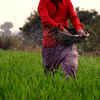
Surge in organic manure usage signals evolving fertiliser landscape for Indian farmers
Organic manure purchases have tripled this kharif season, as India’s fertiliser supply remains strong and local production rises, signalling a shift towards sustainability.
India’s agricultural sector is witnessing a notable transformation as farmers increasingly embrace organic alternatives, marking a significant development in the ongoing kharif sowing season. The government has reported a remarkable surge in organic manure purchases, highlighting the evolving preferences of the farming community and the nation’s readiness to meet fertiliser demand even amid global uncertainties.Shift towards organic inputs gains momentumkharif season, farmers have acquired 1.1 million tonnes of organic manure, according to data shared by the Union Ministry of Chemicals and Fertilisers. This figure is more than triple the 320,000 tonnes purchased during the same period last year, indicating a growing inclination towards non-chemical nutrient sources. Government officials interpret this trend as a sign that Indian agriculture is gradually moving away from its longstanding reliance on chemical fertilisers, in line with sustainability goals and farmer awareness initiatives.Fertiliser supplies remain robust despite global volatilityAparna S Sharma, additional secretary in the Union Ministry of Chemicals and Fertilisers, said during an inter-ministerial briefing that current stocks stand at 19.7 million tonnes. This figure covers more than half the projected requirement of 38.3 million tonnes for the kharif 2026 season, significantly exceeding the typical stock coverage of 33 per cent. The government continues to monitor supplies closely, aiming to preempt any shortages and maintain stable distribution across regions.Strong domestic production and import strategiesUrea and DAP: Balancing imports and local outputPrice controls and farmer affordabilityHigh-level monitoring and future outlookEmpowered Group of Secretaries. In 2025, nearly 73 per cent of the country’s fertiliser requirement was met through domestic production, reducing vulnerability to external shocks.