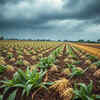
Kharif sowing in India has lagged well behind last year due to delayed and patchy monsoon rains, putting food output and inflation at risk. While sugarcane acreage has slightly increased, major crops like paddy, pulses, and oilseeds are all significantly down, raising concerns for rural incomes and national food security.
India’s agricultural sector faces mounting challenges this year as the annual kharif sowing season struggles to gain momentum, with the area under cultivation still considerably lower than the previous year. This sluggish start, stemming from erratic and delayed monsoon rainfall, has spurred worries about food security, inflation, and the wider economic outlook.Sowing delays signal strain in rural IndiaKey crops bear the brunt of weak rainfallSugarcane defies the broader trendMonsoon outlook dampens hopes for recoveryIndia Meteorological Department (IMD) has forecast below-normal rainfall for July, which is widely considered the most crucial month for kharif sowing. The agency’s projections cite strengthening El Nino conditions as a major risk factor, with total seasonal rainfall expected to reach only 90 per cent of the long-term average. These forecasts heighten concerns that the current sowing deficit may not be quickly reversed, placing additional pressure on the agricultural supply chain.Economic and inflationary implicationsfood inflation and complicating monetary policy decisions. Moreover, rising food prices tend to erode rural purchasing power, potentially dampening consumption and overall economic growth. Policymakers and market participants will be closely tracking rainfall patterns and subsequent agricultural data in the coming weeks.Kharif’s central role in India’s food securityPolicy response and the road aheadagriculture. Experts advocate for investments in irrigation infrastructure, drought-resistant crop varieties, and improved weather forecasting to buffer the sector against future shocks. In the short term, the government may need to step up support for affected farmers and ensure timely access to seeds, fertilisers, and credit.