The economic impact of ASF outbreaks in India has been significant. During the initial outbreaks in Assam in 2020 and 2021, pig mortality and culling resulted in estimated losses of approximately Rs 276 crore. In Mizoram, ASF outbreaks have reportedly affected more than 11,382 households up to 2025, resulting in an estimated financial loss of approximately ₹982 crore. These outbreaks have highlighted the urgent need for an effective indigenous soultion to strengthen disease preparedness, protect farmers' livelihoods and build resilience in the country's pig farming sector.
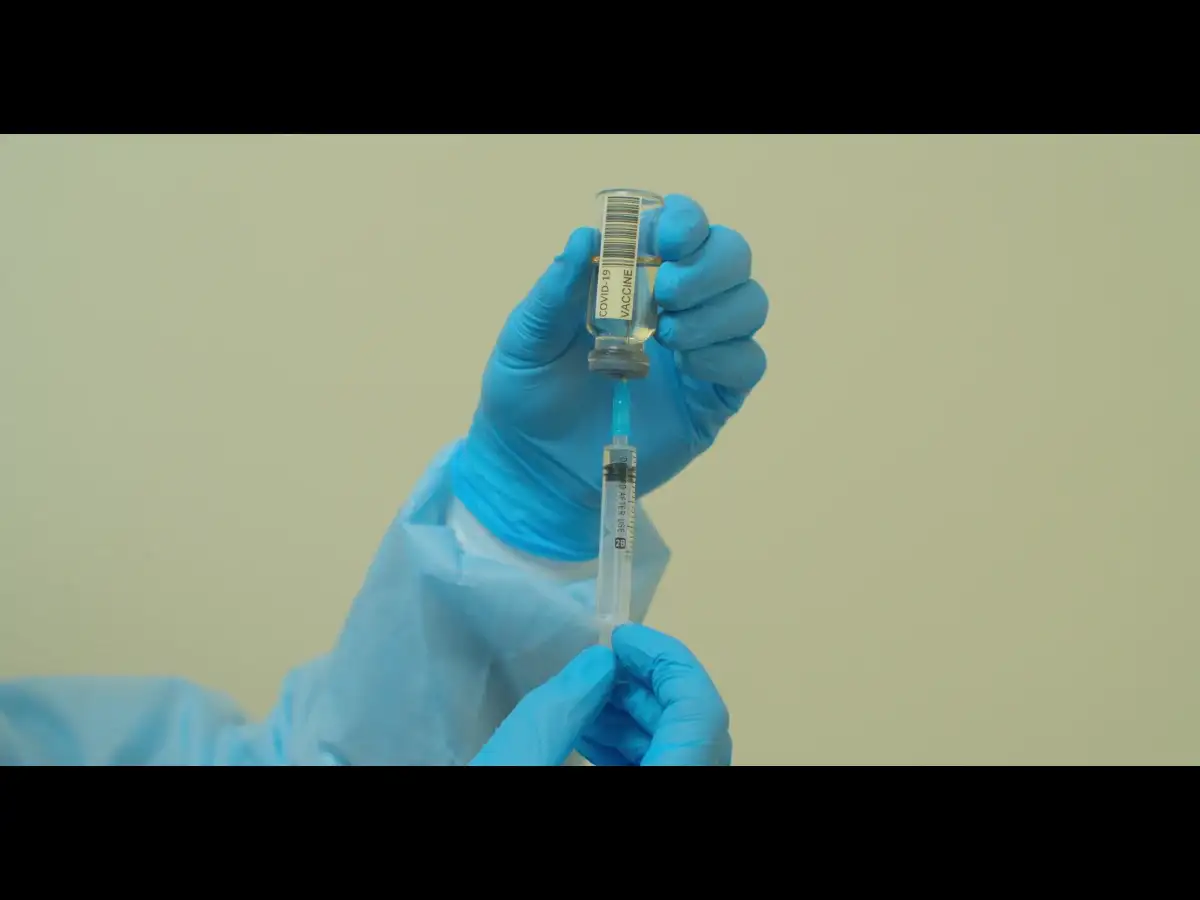
Addressing this critical challenge, scientists at ICAR–National Institute of High Security Animal Diseases (ICAR-NIHSAD), Bhopal, have developed India's first indigenous MA-104_Cell_Line-Based Live Attenuated African Swine Fever (ASF) Vaccine for pigs. Developed using a novel attenuated ASFV Genotype II virus with unique gene deletions in the MA-104 cell line, the vaccine is a major breakthrough in veterinary research and is well suited for large-scale production.
The vaccine has successfully undergone comprehensive laboratory evaluation, including sterility, purity, safety, genetic stability, immunogenicity, protective efficacy and virulence reversion studies. It was also field validated in collaboration with the Department of Animal Husbandry & Dairying (DAHD), Ministry of Fisheries, Animal Husbandry & Dairying, Government of India, further establishing its safety and efficacy under field conditions. The vaccine is recommended for healthy pigs above eight weeks of age and is administered as a 1 mL intramuscular injection, followed by a booster dose 14 days after the primary vaccination.
The indigenous vaccine is expected to substantially reduce pig mortality, minimise economic losses and improve the livelihoods of pig farmers across the country. By providing an effective preventive tool against one of the world's most destructive livestock diseases, it will significantly strengthen India's animal health security and support the sustainable growth of the pig farming sector.