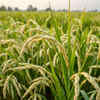
Government reserves FCI rice stocks to bolster ethanol production and energy security
India has set aside 72 lakh tonnes of FCI rice for ethanol output in a bid to meet blending targets and enhance energy security. Additional broken rice will also be auctioned, impacting both the fuel and food sectors. The move highlights the complex balance between industrial policy and food security.
India is intensifying its efforts to boost ethanol production by reserving substantial quantities of government-held rice for biofuel distilleries, a move that could have significant repercussions across the agriculture, energy, and food sectors. This strategic allocation underscores the government's push towards energy self-sufficiency and reduced reliance on imported fossil fuels, even as it raises fresh questions around food security and market dynamics.Expanding rice allocation for ethanol distilleriesMinistry of Consumer Affairs, Food and Public Distribution has earmarked 72 lakh tonnes of rice from Food Corporation of India (FCI) stocks for use by ethanol manufacturers during the Ethanol Supply Year (ESY) 2026-27, according to a recent communication reviewed by The Hindu BusinessLine. This represents a notable increase from the previous supply year's 52 lakh tonnes, reflecting an accelerated drive to meet the country’s blending targets. The rice will be sold to distilleries at a fixed rate of ₹2,390 per quintal, providing a predictable cost structure for producers.New opportunities with dynamic pricing and broader market participationBalancing energy ambitions and food sector prioritiesFCI rice at ₹58.5 per litre, while ethanol made from broken rice commands a higher procurement price of ₹64 per litre. The price differential and expanded supply are expected to make ethanol production more lucrative for distilleries, especially as sugarcane and maize supplies face uncertainty due to erratic monsoons.Implications for cooperatives and the retail marketNafed, NCCF, and Kendriya Bhandar, which have previously retailed government-branded 'Bharat' rice at controlled prices. The ministry has stated that allocations for these cooperatives will be communicated at a later date, adding an element of uncertainty to retail distribution strategies.Looking ahead: Strategic reserves and the path to self-reliance