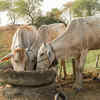
Goa’s agricultural landscape is undergoing a quiet transformation as rising temperatures threaten traditional farming practices. Farmers in the state, long reliant on seasonal grasses, are now pivoting to climate-resilient fodder crops to secure the future of livestock farming—a move that could prove decisive as heatwaves become more common.Changing climate pressures prompt new strategiesSuper Napier grass leads the shiftPrashant Rane, a progressive farmer from Keri, has become an advocate for the crop, cultivating it organically across 1.5 acres. Rane produces enough to feed his own livestock and supplies the surplus to neighbouring farmers, creating a local network of resilience. By preparing silage—fermented, high-moisture fodder stored for periods when fresh grass is scarce—he ensures year-round feed security.Scientific backing and economic benefitsKrishi Vigyan Kendra in North Goa has played a central role in promoting climate-smart fodder. According to its head, N Bommayasamy, Super Napier can yield between 300 and 500 metric tonnes of green fodder per hectare annually. The grass is ready for its first harvest in about 75 days, and subsequent cuttings can be made every 40-45 days. This rapid, repeatable harvest cycle means farmers can depend on a steady supply even as the mercury rises.Integrated fodder systems gain tractionSanjay Udharwar, an animal science specialist at ICAR Goa, highlights Super Napier’s high biomass yield, its suitability to Goa’s climate, and its ability to offer multiple harvests—sometimes six to seven cuttings a year. Udharwar notes that a high leaf-to-stem ratio in this grass translates to better quality nutrition for livestock, supporting higher milk yields and improved reproductive health.Broader implications for India’s livestock sectorLooking ahead: Sustainability and adaptation
- Agri-Tech & Innovation
- 3 min Read
Goa’s farmers embrace climate-resilient fodder crops to sustain livestock in warming conditions
Farmers in Goa are moving towards climate-resilient fodder crops like Super Napier to counter rising temperatures, boost livestock productivity, and reduce feed costs. Scientific support and integrated crop systems are making these changes more sustainable.